
 Image 1 of 1
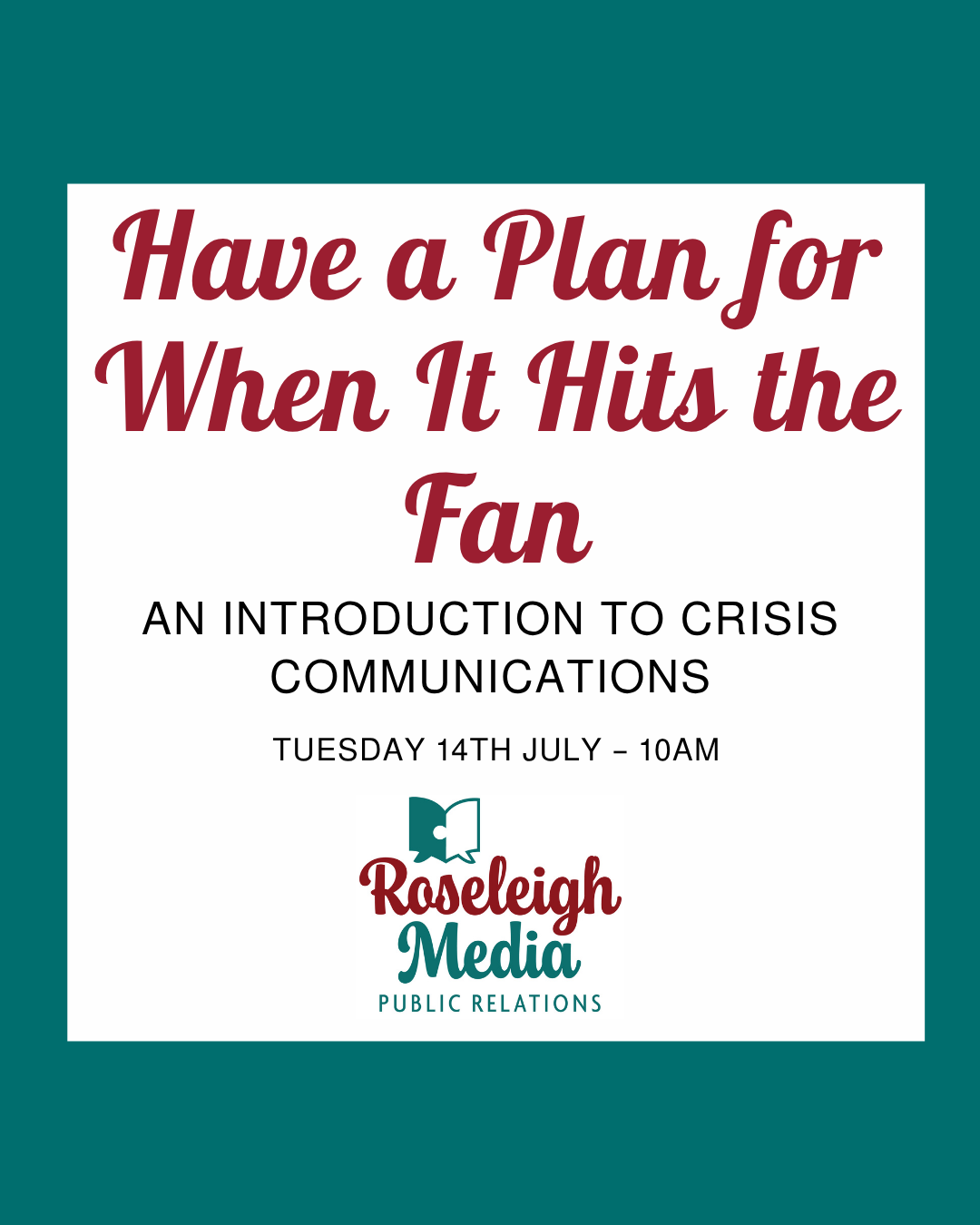
An Introduction to Crisis Communications - Tuesday 14th July - 10am-11.30am
Have a Plan for When It Hits the Fan
Do you know what you would do if a journalist called asking difficult questions about your organisation? Or a complaint started going viral on social media? What if a volunteer posted something inappropriate? Or your organisation suddenly found itself in the local paper for the wrong reasons?
For many charities, CICs and community organisations, these situations feel unlikely – until they happen.
The reality is that a communications crisis doesn't have to be a national scandal. It can be a safeguarding concern, criticism from a supporter, negative media coverage, a social media backlash or simply a situation that escalates faster than expected.
The good news? You don't need a 50 page crisis communications manual.
This practical and interactive 90 minute workshop will help you understand what to do when things go wrong from a comms perspective. You'll learn how to respond calmly, communicate clearly and avoid the common mistakes that can turn a difficult situation into a much bigger problem.
In this session we'll cover:
What actually counts as a crisis?
How you identify potential communications risks before they become bigger issues and why the first few hours matter most in a crisis.Protecting the reputation you've worked hard to build
How communications decisions made under pressure can affect trust, relationships and reputation long after the crisis has passed.Creating a simple crisis communications plan
The key processes, templates and tools that can help your organisation respond quickly and consistently when pressure is high.Managing media attention
What journalists are looking for, how news stories develop, how to prepare spokespeople on what to say (and not to say) and how to handle difficult questions confidently.Social media under pressure
How to handle criticism, complaints and online conversations when emotions are running high.
We'll also touch on:
Internal communications
Working with trustees, staff and volunteers
Learning lessons after a crisis
Practical ways to stay calm, focused and effective when everything feels urgent
This session is ideal for:
• Charities and community organisations
• CICs and social enterprises
• Faith-based organisations
• Volunteer-led groups
• Charity leaders and trustees
• Communications and marketing staff
• Anyone who may find themselves handling communications during a difficult situation
No previous crisis communications experience is required. However, the session is designed for people with some responsibility for communications, leadership, fundraising or reputation management within their organisation.
You'll leave with:
• A clearer understanding of what constitutes a communications crisis
• Greater confidence in responding when things go wrong
• Practical ideas you can apply immediately within your organisation
• A simple framework to help guide decision-making under pressure
Throughout the session, Emma will draw on real world examples from journalism, charity communications and public relations to demonstrate how stories develop, how crises escalate, and what organisations can do to protect the trust they've worked hard to build.
Investment: £75 per person | 3 places for £199 (Use code 3CRISIS at checkout)
Why attend live?
As well as practical training and Q&A, you'll have the opportunity to connect with others working across charities, CICs and community organisations, sharing experiences, ideas and challenges with people who understand the realities of the sector.
About Emma
Emma is an award-winning journalist, TEDx speaker and founder of Roseleigh Media. With more than a decade of experience in journalism, charity communications and PR, Emma helps charities, CICs, faith organisations and purpose-led organisations communicate with confidence, build trust and navigate challenging situations.
Having worked both in busy newsrooms and within organisations responding to sensitive issues, Emma brings practical insight into how journalists think, how stories gain momentum, and how organisations can respond effectively when under pressure.
Have a Plan for When It Hits the Fan
Do you know what you would do if a journalist called asking difficult questions about your organisation? Or a complaint started going viral on social media? What if a volunteer posted something inappropriate? Or your organisation suddenly found itself in the local paper for the wrong reasons?
For many charities, CICs and community organisations, these situations feel unlikely – until they happen.
The reality is that a communications crisis doesn't have to be a national scandal. It can be a safeguarding concern, criticism from a supporter, negative media coverage, a social media backlash or simply a situation that escalates faster than expected.
The good news? You don't need a 50 page crisis communications manual.
This practical and interactive 90 minute workshop will help you understand what to do when things go wrong from a comms perspective. You'll learn how to respond calmly, communicate clearly and avoid the common mistakes that can turn a difficult situation into a much bigger problem.
In this session we'll cover:
What actually counts as a crisis?
How you identify potential communications risks before they become bigger issues and why the first few hours matter most in a crisis.Protecting the reputation you've worked hard to build
How communications decisions made under pressure can affect trust, relationships and reputation long after the crisis has passed.Creating a simple crisis communications plan
The key processes, templates and tools that can help your organisation respond quickly and consistently when pressure is high.Managing media attention
What journalists are looking for, how news stories develop, how to prepare spokespeople on what to say (and not to say) and how to handle difficult questions confidently.Social media under pressure
How to handle criticism, complaints and online conversations when emotions are running high.
We'll also touch on:
Internal communications
Working with trustees, staff and volunteers
Learning lessons after a crisis
Practical ways to stay calm, focused and effective when everything feels urgent
This session is ideal for:
• Charities and community organisations
• CICs and social enterprises
• Faith-based organisations
• Volunteer-led groups
• Charity leaders and trustees
• Communications and marketing staff
• Anyone who may find themselves handling communications during a difficult situation
No previous crisis communications experience is required. However, the session is designed for people with some responsibility for communications, leadership, fundraising or reputation management within their organisation.
You'll leave with:
• A clearer understanding of what constitutes a communications crisis
• Greater confidence in responding when things go wrong
• Practical ideas you can apply immediately within your organisation
• A simple framework to help guide decision-making under pressure
Throughout the session, Emma will draw on real world examples from journalism, charity communications and public relations to demonstrate how stories develop, how crises escalate, and what organisations can do to protect the trust they've worked hard to build.
Investment: £75 per person | 3 places for £199 (Use code 3CRISIS at checkout)
Why attend live?
As well as practical training and Q&A, you'll have the opportunity to connect with others working across charities, CICs and community organisations, sharing experiences, ideas and challenges with people who understand the realities of the sector.
About Emma
Emma is an award-winning journalist, TEDx speaker and founder of Roseleigh Media. With more than a decade of experience in journalism, charity communications and PR, Emma helps charities, CICs, faith organisations and purpose-led organisations communicate with confidence, build trust and navigate challenging situations.
Having worked both in busy newsrooms and within organisations responding to sensitive issues, Emma brings practical insight into how journalists think, how stories gain momentum, and how organisations can respond effectively when under pressure.